Your Wi-Fi Router Isn't Enough: What Matter, Thread, Zigbee and Z-Wave Actually Do
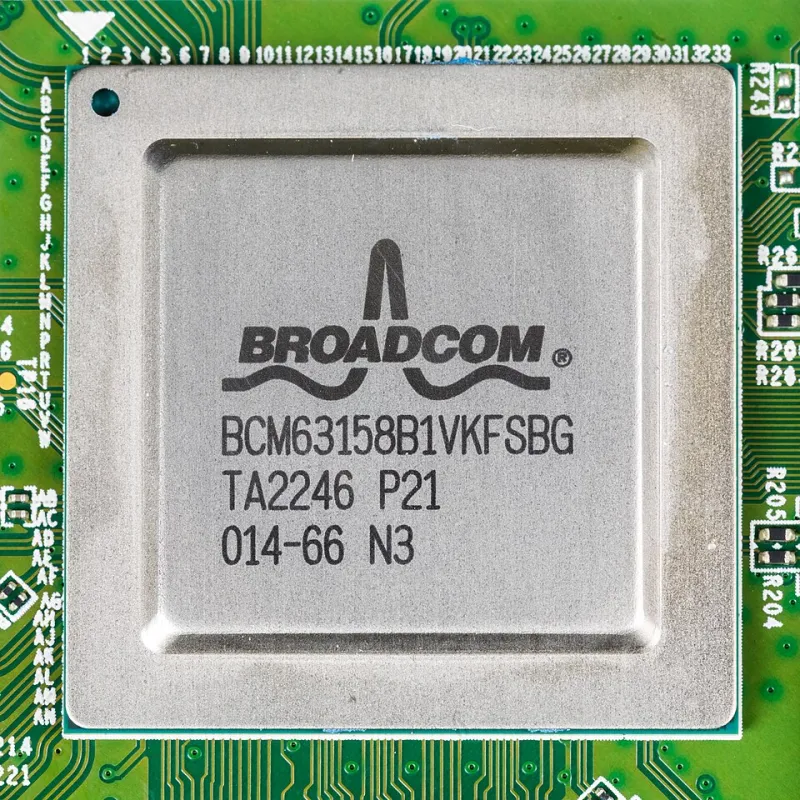
Photo: Raimond Spekking, CC BY-SA 4.0, via Wikimedia Commons
Walk into any big-box electronics store — or scroll through an Amazon search for 'smart plug' — and you'll hit a wall of jargon within thirty seconds. Works with Matter. Thread enabled. Zigbee compatible. Z-Wave Plus. It reads like a foreign language, and honestly, the industry hasn't done much to help.
Here's the good news: you don't need an engineering degree to understand this stuff. You just need a mental model of what each protocol is actually for. Let's build that model.
First, Why Doesn't Everything Just Use Wi-Fi?
Fair question. Your home already has Wi-Fi, so why would a smart bulb need anything else?
The short answer: Wi-Fi is a power hog and a network hog. Every Wi-Fi device connects to your router, and your router — a $60 box your ISP gave you — was never designed to juggle forty lightbulbs, three thermostats, and a doorbell. Add in the fact that battery-powered gadgets like sensors would drain in weeks on a Wi-Fi diet, and you can see why alternatives exist.
That's where the other protocols come in. They're built for small messages, low power, and lots of devices. Think of Wi-Fi as a highway and these as quiet neighborhood streets.
Zigbee: The Workhorse You've Already Owned
Zigbee has been around since the early 2000s, quietly powering Philips Hue bulbs, Amazon Echo devices, and countless sensors. It creates a mesh network, meaning every plugged-in device can relay signals for its neighbors. More devices, stronger network — a rare perk in tech.
The catch? Zigbee devices typically need a hub or bridge — a translator box that connects the Zigbee world to your Wi-Fi world. That's one more thing to plug in, one more app, one more potential headache.
Z-Wave: Zigbee's Politer Cousin
Z-Wave works almost identically — mesh network, low power, hub required — but with one big difference: it runs on a different slice of the radio spectrum in the US (908 MHz, if you're curious), away from the crowded 2.4 GHz band where your Wi-Fi, microwave, and Bluetooth all fight for space.
Z-Wave also enforces strict certification, so devices from different brands tend to play nicely together. The tradeoff is a smaller device ecosystem and, historically, pricier gear.
Thread: The New Kid With Good Genes
Thread is what happens when engineers take fifteen years of smart home lessons and start fresh. It's a mesh protocol like Zigbee, but open, IP-based, and designed from day one to interoperate. Google, Apple, Amazon, and Samsung all back it — which tells you something.
The clever part: some devices you already own, like recent Apple TV 4K units, HomePod minis, and second-gen Echo devices, can act as Thread border routers, extending the network without extra hardware.
Matter: Not a Protocol — a Peace Treaty
Here's where people get tripped up. Matter isn't a wireless protocol at all. It's a standard — a common language that sits on top of Thread, Wi-Fi, or Ethernet. Before Matter, buying a smart lock meant asking, 'Does this work with Alexa? Google? HomeKit?' Now the box just says Matter, and the answer is increasingly 'all of the above.'
Matter is reshuffling the ecosystem in real time. Hubs are becoming less mandatory, ecosystems are becoming less walled, and the phrase 'works with' is slowly losing its power to confuse. We're not fully there yet — Matter still lacks native support for some device categories, and early rollouts have been bumpy — but the direction is unmistakable.
Which One Do You Actually Need?
Skip the spec sheets and ask yourself three questions:
- Are you starting from scratch? Favor Matter-over-Thread devices where possible. They're the most future-proof bet.
- Already invested in an ecosystem? Match your new purchases to it. A Hue setup pairs beautifully with more Zigbee gear; an Alexa household with a border-router Echo can grow into Thread painlessly.
- Battery-powered sensors on your list? Lean Thread or Z-Wave. Their low power draw is exactly what those devices need.
The Bottom Line
The protocol wars aren't won by the 'best' technology — they're won by the one that disappears. And that's precisely what Matter is trying to do: make the underlying radio irrelevant so you can just... buy a lightbulb and have it work. For now, a little protocol literacy will save you from returns, dead zones, and hub-induced confusion. A few minutes of decoding today beats a drawer full of incompatible gadgets tomorrow.