Your 2023 Matter Gear After the 2.0 Update: Keep It, Skip It, or Mix It?
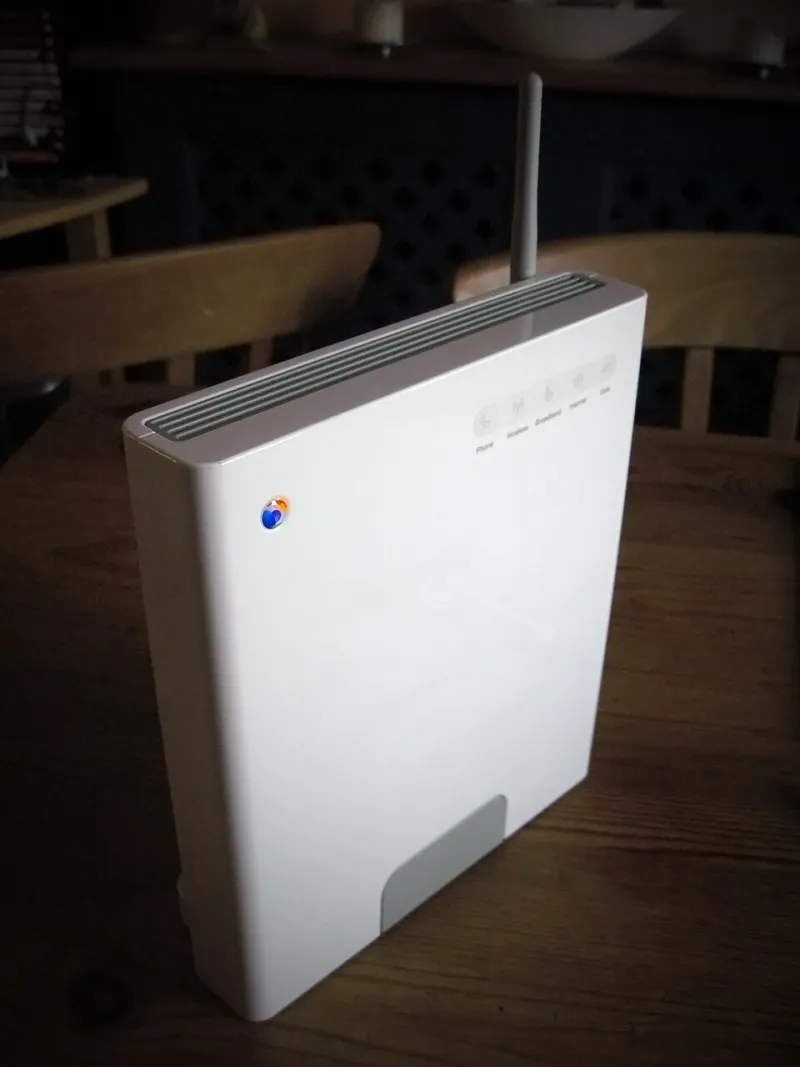
Photo: Max Naylor, Public domain, via Wikimedia Commons
Every time a new Matter spec drops, the same wave of anxiety rolls through group chats and subreddit threads: Did my stuff just become a paperweight? With Matter 2.0, the answer is mostly reassuring — with a few honest caveats the marketing pages tend to skip.
First, the Good News: Your Existing Gear Isn't Going Anywhere
Matter was built with backward compatibility as a core principle. A smart bulb certified under the original spec will keep working after 2.0. The standard's whole pitch to manufacturers was "certify once, sell everywhere," and forcing a hardware cliff every eighteen months would have killed it before it started.
What 2.0 changes is the ceiling, not your floor. New device categories get official support, and new capabilities get defined. Your existing devices simply don't gain those abilities — they don't lose what they had.
What 2.0 Actually Adds
The headline items in the latest spec wave:
- Broader appliance coverage. Categories that were stubs or afterthoughts — think water-management devices like leak valves and irrigation, plus expanded support for energy-management features — now have proper, testable definitions.
- Better energy reporting. With US electricity prices doing what they're doing, Matter's push toward standardized energy usage data is quietly one of its most practical features. Devices that support it can report consumption to any compatible dashboard, not just the manufacturer's app.
- Refined controller behaviors and bug fixes. Less glamorous, but the 1.x era was full of edge cases — devices dropping off fabrics, commissioning failures, the infamous "it works until it doesn't" Thread border router quirks. Each spec revision tightens those bolts.
What Actually Broke (or Never Fully Worked)
Here's the part where we take off the rose-colored glasses. The interoperability promise — any device, any ecosystem, one setup — still bends in real American homes:
- Features get siphoned off. A thermostat might join Matter fine, but its fancy adaptive recovery or geofencing only works in the vendor's own app. The spec covers the common denominator, not the differentiators.
- Multi-admin is better in theory than in practice. Yes, you can theoretically run one device across Apple Home, Google Home, and Alexa simultaneously. In practice, some device categories still behave oddly when shared across fabrics.
- Bridges remain bridges. If your device reached Matter through a hub (many Zigbee products did), you now have two layers of translation and two potential failure points.
- Update dependency. Some 1.x devices need firmware updates to play nicely with 2.0 controllers — and whether you get those updates depends entirely on the manufacturer caring. That cheap off-brand smart plug from a marketplace seller? It may never see one.
Upgrade Now, Wait, or Mix? A Simple Framework
Instead of a blanket verdict, ask yourself three questions:
1. Is something in your setup actually broken? If devices drop offline, fail to commission, or your ecosystem app keeps losing them, a 2.0-era controller or bridge update may genuinely fix it. That's a reason to act.
2. Are you buying something new anyway? New purchases should be Matter 2.0-certified where the category exists — especially for energy-reporting devices like smart plugs and water sensors. There's no reason to buy old-certification stock at the same price.
3. Are your existing devices working? Then do nothing. Seriously. Backward compatibility means there's no clock ticking on your 2023 purchases. Replace devices when they fail or when you need a capability 2.0 adds — not because a version number changed.
If you're starting from scratch, a mixed approach is still the pragmatic play in most US households: Matter over Thread for lighting and sensors, Wi-Fi Matter for plugs and bigger appliances, and don't rip out a Zigbee setup that's been rock-solid just to chase the standard. Homogeneity is a nice ideal; a house that works is better.
The Lexicon Takeaway
Matter 2.0 is a healthy evolution, not a revolution — and definitely not an obsolescence event. The standard is slowly doing what it promised, one spec revision at a time. Keep your gear, buy smart on new purchases, and let the version numbers climb without losing sleep.