No Drills, No Deposit Drama: A Renter's Guide to a Fully Smart Apartment
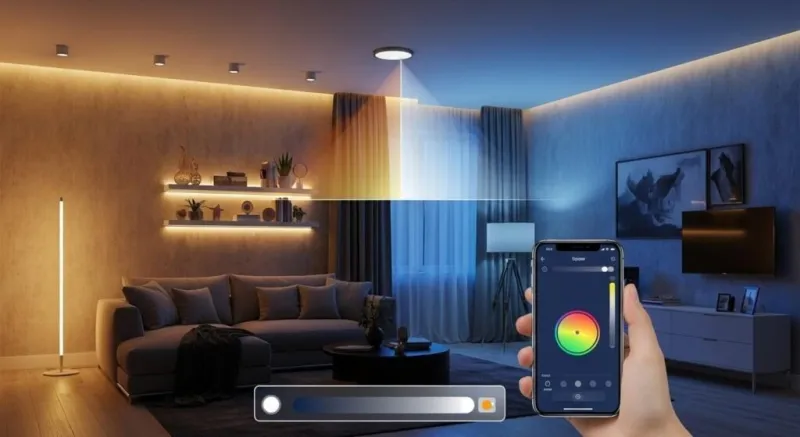
Photo: renter installing smart bulb in apartment lamp cozy living room, via softerhomes.com
Let's kill a myth right now: you do not need to own a three-bedroom colonial to have a smart home. Walk through any apartment complex in Austin or Chicago and you'll find renters running voice-controlled lighting, leak sensors under the sink, and doorbell cameras that clip onto the peephole. The landlord never noticed a thing, and the security deposit is intact.
The trick is choosing gear that respects two constraints: nothing permanent, and everything portable. Here's how to do it right, room by room.
The Golden Rules of Renting Smart
Before we get to devices, three principles:
Stick, don't screw. Adhesive mounts, tension rods, and plug-in everything. If a tool came out of a toolbox, reconsider.
Keep the originals. Swap in a smart bulb? Put the original bulb in a labeled bag. Same for showerheads and doorknobs. Moving out takes an afternoon, not a weekend.
Buy things that travel. Every device on this list works in your next apartment. That's the real ROI — you're not building your landlord's home, you're building your own movable one.
Living Room: Lighting First
Smart bulbs are the renter's best friend. They screw into existing fixtures, install in thirty seconds, and give you dimming, scheduling, and color without touching a wire. A starter kit of two or three bulbs plus a voice assistant speaker transforms the room for under $100.
Want lighting scenes without replacing lamps? A smart plug on a floor lamp does the job. Plug the lamp in, group it with your bulbs in the app, and suddenly "movie night" is one command.
Skip smart switches here — they require wiring into the wall, which means cutting power and pulling faceplates. That's homeowner territory.
Kitchen: Small Wins, Big Convenience
- Smart plug on the coffee maker. Set it to kick on at 6:45 AM. Life-changing, cost: about $15.
- Leak sensor under the sink. Battery-powered, peel-and-stick, and it can ping your phone before a slow drip becomes a deposit-eating flood. Landlords genuinely appreciate these.
- Battery camera on a shelf (more on cameras below) angled at the entry if packages are a problem in your building.
Bedroom: Wind Down Without Thinking
Automate the bedtime routine: bulbs that shift warm at 9 PM, a smart plug on a white-noise machine, and a morning routine that raises the lights gradually instead of a phone alarm blaring in your face. All of it is bulbs and plugs. All of it leaves with you.
Entryway: Security Without the Screwdriver
This is where renters get nervous, and reasonably so. Your options:
- Peephole cameras replace nothing — they slide over or integrate with your existing peephole. No drilling, no landlord conversation needed.
- Battery-powered video doorbells with adhesive or over-the-door mounts exist, though check your lease; some buildings prohibit anything on the exterior door, even removable. Interior-facing battery cameras covering the entry from inside are the safe play.
- Contact sensors on doors and windows use adhesive strips and pair with a hub or a self-monitored app. Renters love these because traditional alarm companies want contracts and drilling; these want a piece of tape.
- Smart locks: Some models replace only the interior thumb-turn, leaving the exterior hardware untouched. Legally, most US states allow tenants to add locks with landlord permission — get it in writing, and reinstall the original at move-out.
Bathroom and Laundry: The Boring Stuff That Saves You Money
A leak sensor near the water heater or washer hookup is the single most underrated renter purchase. Water damage claims can follow you in a rental, and a $20 sensor is cheap insurance. If your building runs hot in winter, a smart plug on a fan or a temperature sensor that alerts you when the AC should've kicked in beats arguing about the thermostat.
What to Skip (For Now)
Hardwired thermostats (unless your lease explicitly allows it — some do, and a smart thermostat with an adapter kit like one designed for baseboard systems can work, but ask first), anything requiring drywall anchors, and video doorbells wired into building infrastructure.
The Moving Day Test
Here's the beauty of this approach: when your lease ends, your smart home comes with you. Bulbs unscrew in seconds. Sensors peel off with a little adhesive remover (a hairdryer helps). Cameras unclip. Everything gets reinstalled in your next place the same weekend.
Renting doesn't mean waiting to build the home you want. It means building one that fits in a moving box.