We Priced a 'Commissioned' Living Room Against a DIY One. The Vocabulary Alone Costs $8,000.
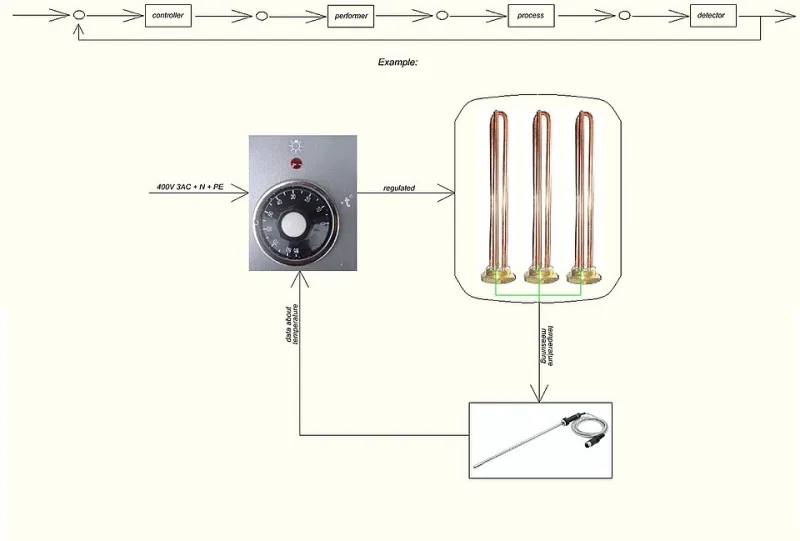
Photo: Dmitry G, CC BY-SA 3.0, via Wikimedia Commons
The Two Languages of Home Automation
Walk into a Best Buy and you'll hear words like smart plug, hub, and app. Walk into a Control4 showroom and you'll hear commissioning, driver, and project stack. Same house, same lights, same TV — two entirely different vocabularies, and as we discovered, two entirely different invoices.
We wanted to know what that installer-only language actually costs. So we priced out the same living room setup twice: once the DIY way, once the pro way.
Translating the Installer Dictionary
Before the numbers, a quick glossary — because half of what you're paying for is comprehension:
- Driver: The software glue that lets a pricey thermostat or shade motor talk to the central system. Think of it as a translator, except you don't write it — you license it.
- Commissioning: The process of a technician configuring, testing, and fine-tuning your entire system on-site. It's why your 'Goodnight' scene actually turns off the garage door, the media wall, and the porch lights in the right order.
- Project stack: The layered blueprint of your setup — hardware, control system, drivers, programming hours, and service plan, stacked like a quote sheet.
- Dealer network: The gatekeeping system. Companies like Savant and Control4 don't sell to consumers; they sell to certified installers, who mark up accordingly.
None of these words appear on a Ring box at Walmart. That's not an accident.
The Receipts: Same Room, Two Quotes
Our hypothetical living room: smart lighting, motorized shades, a whole-home audio zone, universal control of the TV and streaming gear.
The DIY version: Around $1,400. A few Lutron Caseta switches, a Sonos amp and two speakers, a Logitech Harmony-style remote or a decent universal, and a weekend of your time. Total labor cost: three hours and one mild argument about wire placement.
The pro version: Roughly $9,500 to $14,000. A Control4 processor (~$1,000), dealer-priced lighting control, shade motors with integration modules, in-ceiling speakers, driver licenses, and — the big one — 15 to 25 billable hours of design and commissioning at $125 to $200 per hour.
The hardware overlap is bigger than you'd think. What you're mostly buying at the high end is the vocabulary: someone else speaks 'driver' so you never have to.
What the Premium Actually Buys
Strip away the markup and the pro route delivers four real things:
- One app (or zero apps). Everything works from a single interface, including a wall-mounted keypad your guests can figure out.
- Reliability. A commissioned system is stress-tested. Your DIY Zigbee mesh that drops every other Tuesday? Not that.
- A phone number. When something breaks, you call a human who is contractually obligated to care.
- Dealer-only hardware. Some gear — certain Savant remotes, serious shade systems — simply isn't sold retail.
Who Should Actually Go Pro
Here's the honest breakdown:
- Go pro if: You're building or gut-renovating a home, you want 20+ integrated subsystems (pool, gates, shades, theater), or you genuinely never want to touch a settings menu again. The math works when complexity is high.
- Stay DIY if: You have one or two subsystems, you enjoy tinkering, or you're renting. A $1,400 setup that you can troubleshoot yourself beats a $12,000 one you can't modify without paying for the privilege.
- The middle path: Start DIY. If your setup grows past roughly ten devices across three or more ecosystems, that's the point where pro infrastructure starts earning its keep.
The Bottom Line
The jargon isn't fake — 'commissioning' is a real service and 'drivers' are real software. But it's worth knowing that roughly 60 to 70 percent of the pro quote is labor, licensing, and dealer margin, not better light switches. Decode the language, and you can decide whether you're buying convenience or just buying fluency in a dialect you never needed to learn.