Skip the Bundle: How Two Devices and $130 Built a Smarter Home Than Any Starter Kit
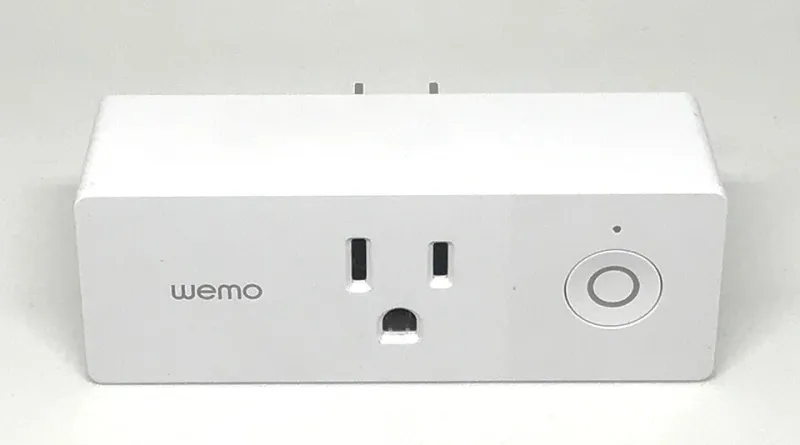
Photo: Gregory Varnum, CC BY-SA 4.0, via Wikimedia Commons
Walk into any big-box electronics store or scroll the Amazon deals page and you'll spot them: glossy boxes promising the "complete smart home starter kit." Price tag? Usually $400 to $500. The pitch is seductive — buy one box, get everything, become the person from the commercials.
Here's the problem. Most of what's in those kits is stuff you don't need yet, don't understand yet, or will replace in six months anyway. After watching friends and readers burn cash on bundled gear that ended up in a junk drawer, we priced out the honest alternative: a two-device setup that delivers real, daily value for less than the cost of a nice dinner out.
Why the $500 Kit Exists (and Who It's Really For)
Starter kits aren't designed for you. They're designed for retailers. Bundling a hub, a couple of bulbs, a plug, and a sensor lets manufacturers move slow-selling inventory and hit a premium price point. The "kit discount" is often illusory — price the components separately during a sale and you'll frequently come out ahead buying à la carte.
There's also a mismatch in philosophy. Kits assume you want to automate everything at once. In practice, the people who stick with home automation tend to start with one genuine pain point — a porch light they always forget, a space heater they worry about leaving on — and expand from there. Kits solve a problem you haven't discovered yet.
The Two-Device Day-One Setup
Here's the lean build, priced from typical US retail at the time of writing:
| Item | Approx. Cost | Why It Earns Its Spot |
|---|---|---|
| Smart plug (2-pack, reputable brand) | $25–35 | Instant automation for dumb appliances |
| Smart bulb (single, color or tunable white) | $15–25 | The fastest "wow, this is real" moment |
| Smart speaker or display (entry-level, on sale) | $50–80 | The voice interface that ties it together |
| Total | $90–140 | Under the $150 target with room to spare |
The smart plug is the workhorse. Plug a lamp, a fan, a coffee maker, or your Christmas lights into it and you've got scheduling, remote control, and voice commands without touching a screwdriver. A two-pack lets you experiment in two rooms at once, which is how you actually learn what automation is worth to you.
The smart bulb is the demo that sells your household on the idea. There's nothing like telling your speaker "goodnight" and watching the lights dim to convert a skeptical spouse or roommate. One bulb is enough. You can always add more once you know which rooms matter.
The entry-level speaker is optional but recommended. If you already own an Echo or Nest device, skip it entirely and drop your budget further. If you don't, a discounted Mini or Nest Mini is the cheapest way to make everything else feel effortless.
What the $500 Kit Gets You That This Doesn't
To be fair to the bundles: they typically include a hub, a motion sensor, a door sensor, and four or more bulbs. If you already know you want a full lighting overhaul plus security sensors, a kit can make sense — after you've verified the hub speaks the protocols (Matter, Zigbee, Z-Wave) your future purchases will use.
But that's the catch. Protocol choices are exactly the kind of decision you should make after living with basic automation, not before. Buy the $500 kit on day one and you may find yourself locked into an ecosystem that doesn't fit how you actually live.
The Growth Path: Adding Gear Only When a Need Appears
The beauty of the lean start is that every future purchase is driven by a real problem:
- Month one: A second plug for the space heater, plus a schedule that kills it at 11 p.m.
- Month three: A smart thermostat if your utility offers rebates (many US providers knock $50–100 off, which changes the math entirely).
- Month six: A video doorbell, once you've noticed how often packages arrive while you're out.
- When you're hooked: A hub, and only if you've outgrown Wi-Fi-only devices or want local control.
Each addition solves something you've actually noticed missing. That's the opposite of a kit, which asks you to imagine problems in advance.
The Bottom Line
The $500 starter kit myth survives because it feels safer to buy "everything" than to risk buying the "wrong thing." But home automation isn't a one-time purchase — it's a habit you build. Two devices, one weekend of setup, and roughly $130 gets you a home that answers back, on your terms, with every future dollar spent on a problem you've actually met.
Start small. Stay curious. And keep the receipt for that second kit — you won't need it.