Is the Hub Dead? What Happened When We Ran a Smart Home Both Ways for a Month

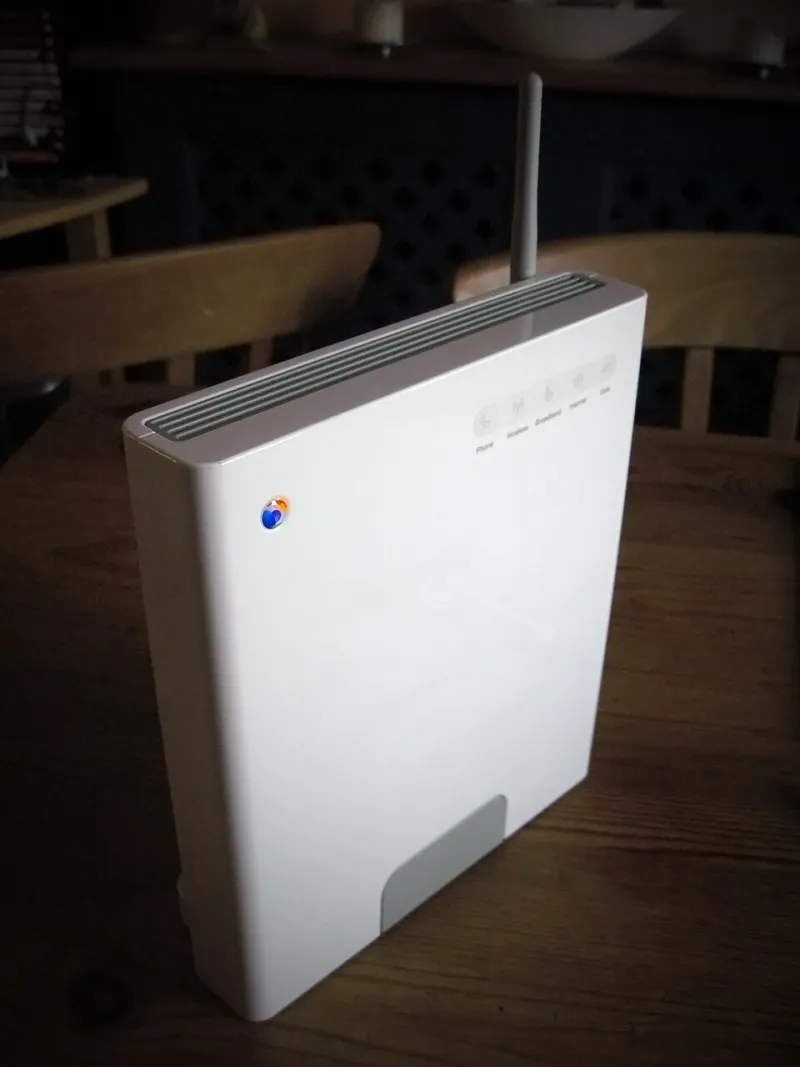
Photo: Dsrana1, CC0, via Wikimedia Commons
For years, the smart home had an unspoken rule: buy enough gadgets, and eventually you'll need a little plastic box to babysit them. Hubs translated Zigbee to Wi-Fi, kept automations running when the internet blinked, and gave your smart bulbs something to answer to. But ever since Matter hit the scene and Thread started showing up in everything from door locks to dishwashers, a question keeps coming up in our inbox: do you still need one?
We spent a month living the answer. Here's how it shook out.
The Two Setups We Tested
We built two parallel smart homes in a 1,200-square-foot test space — think of it as a duplex with a split personality.
Setup A (hub-free): A Thread border router (an Apple TV 4K and a HomePod mini, since most US households already own something similar), plus a mix of Matter-certified devices: Nanoleaf Essentials bulbs, a SwitchBot blind controller, an Eve door sensor, and a TP-Link Kasa Matter plug.
Setup B (hub-first): A SmartThings Station paired with the same device types running on Zigbee and Z-Wave where available, plus a Lutron Caséta hub for lighting.
Same routines, same daily usage patterns, same Wi-Fi network underneath it all. The only variable was the traffic cop.
Latency: Faster Than You'd Expect, Until It Isn't
On-paper, Thread's mesh networking should make hub-free setups snappy — devices hop signals to each other instead of routing through a single box. In practice, that mostly held true. Bulb toggles in Setup A averaged a hair under 300 milliseconds, which is imperceptible if you're walking into a dark kitchen. Setup B was marginally quicker on lighting, thanks to Lutron's rock-solid radio, but we're talking a difference your thumb can't detect.
Where things got interesting was automations with multiple devices. A goodnight scene that killed six bulbs, locked the door, and dropped the blinds ran noticeably smoother on the hub setup. Local processing matters: the SmartThings hub executed the whole routine in one motion, while the hub-free setup occasionally stumbled when the border router was busy. Not broken — just a half-beat less confident.
Reliability: The Internet Outage Test
Here's where the hub earned its keep. We pulled the plug on the router (a rite of passage in any smart home review) and watched what happened.
- Setup B: Everything kept humming. Lights, locks, and sensors all responded locally. The only casualty was remote access from our phones off-network.
- Setup A: Mostly fine, with caveats. Thread devices kept talking to each other through the border router, but any cloud-dependent Matter device — and yes, they still exist — went dark until the internet came back.
The lesson: "hub-free" doesn't mean "cloud-free." Your border router is quietly doing hub duty, and your mileage depends on which devices you invite to the party.
Energy Use: A Non-Issue (Mostly)
We'll be honest — we expected a bigger gap here. The SmartThings Station and Lutron hub together drew about 2.5 watts at idle, roughly $3 a year at average US electricity rates. If a hub's power draw is your deciding factor, you're solving the wrong problem. The real energy story is what the hub enables: local automations that keep devices from pinging the cloud all day.
So, Do You Still Need One?
Our verdict, split by household type:
Skip the hub if: You're starting fresh with Matter devices, you own a Thread border router already (newer Apple TV, HomePod, Nest Hub, or several recent Echo models), and your ambitions top out at lighting, plugs, and sensors. The hub-free life is genuinely good now.
Buy a hub if: You're mixing older Zigbee or Z-Wave gear, you want bulletproof local automations, or your home has more than about 30 devices. A dedicated hub also makes sense for larger US homes — Thread's mesh is strong, but a 4,000-square-foot two-story with plaster walls benefits from a strategically placed hub filling dead zones.
The dusty-box scenario: If you already own a hub that only speaks Zigbee and you've gone all-in on Matter, it may indeed be destined for the drawer. But don't toss it — as of this writing, plenty of excellent devices still ship Zigbee-only, and that box is your ticket to using them.
The hub isn't dead. It's just been demoted from required to situational — which, honestly, is how the best smart home gear should feel.