We Quizzed 20 New Homeowners on 'Zigbee.' The Results Were a Comedy (and a Warning)

Photo: *Savaman*, CC BY 2.0, via Wikimedia Commons
We grabbed coffee with 20 people who bought a home in the last six months, handed them a card with five words on it — Zigbee, Thread, hub, scene, Matter — and asked them to define each one. No prep, no Googling, no mercy.
The results were equal parts hilarious and damning. Not because the buyers were clueless, but because the industry has spent a decade inventing words that sound like they mean something and mostly don't.
The Scorecard
Here's how our 20 respondents did:
- Hub: 14 of 20 got this roughly right. Something central that connects gadgets. Solid work, everyone.
- Scene: 9 of 20 nailed it — "a button that does a bunch of stuff at once." The rest guessed it was a lighting preset, which... okay, that's half credit.
- Matter: 7 of 20 knew it was a compatibility standard. Three people said "something to do with recycling?"
- Thread: 4 of 20. Most guessed it was a fabric reference or a social media app.
- Zigbee: 2 of 20. One woman said, "Is that the bee from the commercial?" We don't know what commercial she meant. We think about it daily.
So the pattern is clear: words that describe what a thing does (hub, scene) survive. Words that sound like marketing soup (Thread, Zigbee) die on contact.
Why 'Zigbee' Fails the Sniff Test
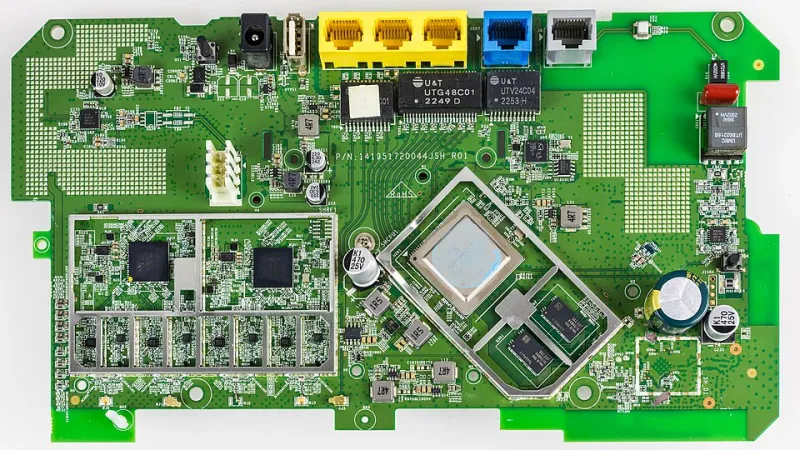
Zigbee is a wireless protocol — a radio language that low-power devices like sensors and smart bulbs use to talk to each other and to a hub. That's it. That's the whole definition. But nobody at a Sunday open house is going to extract that from the name.
The irony? Zigbee gear is often the most reliable stuff in a smart home. Door sensors, motion detectors, leak monitors — the unglamorous workhorses run on it. The industry's best technology is hiding behind its worst name.
The Retranslation
If we ran the marketing, here's what these words would say on the box:
- Zigbee: "A battery-friendly radio signal your gadgets use to chat through a central hub."
- Thread: "Like Zigbee's newer cousin — same idea, built to work with more brands, including Apple's."
- Matter: "A peace treaty between tech companies so your devices work together regardless of logo."
- Hub: "The translator in the middle. One box, many languages."
- Scene: "One tap that triggers a whole mood — lights, locks, thermostat, the works."
Notice how none of these require a dictionary. That's the entire point.
The Real Barrier Isn't Price — It's Vocabulary
Our 20 buyers were mostly excited about smart homes. Nine already owned at least one device. What stopped them from going deeper wasn't cost or privacy — it was the feeling that they'd need to learn a foreign language first.
One respondent put it perfectly: "I don't want to research protocols. I want my porch light to turn on when I pull into the driveway."
Every brand that leads with protocol names in its packaging is answering a question no consumer asked. The winners in mainstream adoption will be the ones who lead with outcomes — safety, convenience, lower bills — and tuck the jargon into a footnote.
Until then, we'll keep doing the translating. That's the whole reason this site has 'lexis' in the name.