Phantom Loads and Real Savings: What Happened When We Audited a Suburban Home's Electric Bill
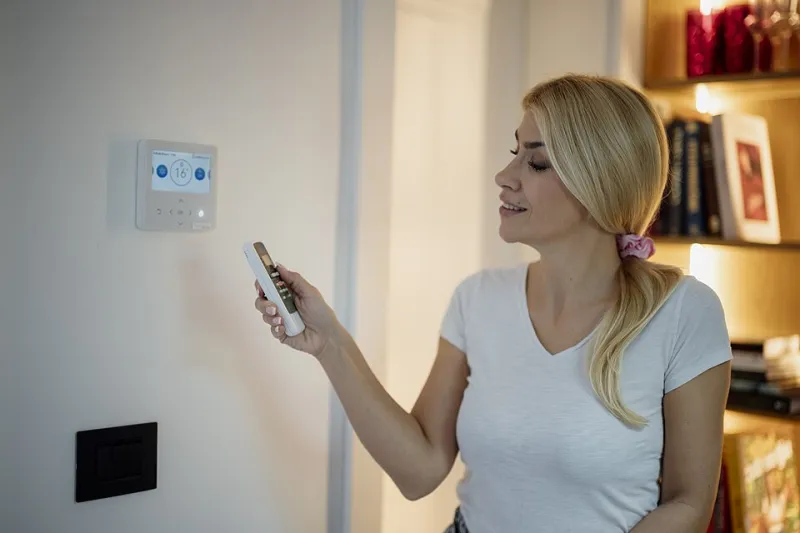
Photo: Shixart1985, CC BY 2.0, via Wikimedia Commons
Every smart plug listing promises savings. Every smart thermostat ad shows a smiling family and a lower bill. But how much does a connected home actually shave off your electric bill — in dollars, not vibes?
We spent a month in a 2,100-square-foot suburban home (gas heat, electric everything else, two adults working hybrid schedules) with a kill-a-watt meter, a dozen smart plugs, and a spreadsheet. Here's what we found, translated into plain English.
First, the Jargon You'll See on the Box
Standby load (a.k.a. vampire or phantom load): The trickle of power a device draws when it's "off" — your TV idling, your game console waiting for an update, your coffee maker's clock. Individually tiny; collectively meaningful.
Demand response: Programs from your utility (many offer them in states like Texas, California, and Arizona) that pay you or credit your bill for letting them nudge your thermostat up during peak demand hours. Think of it as the grid asking politely for a favor, with money attached.
Time-of-use rates: Pricing where electricity costs more during peak hours (usually late afternoon and evening) and less overnight. If your utility uses these, when you run appliances matters as much as whether.
Kilowatt-hour (kWh): The unit on your bill. The US average price hovers around 17 cents per kWh, though it ranges from under 11 cents in North Dakota to over 30 in Hawaii. All our math below uses ~17 cents.
What We Measured
Smart plugs with energy monitoring: the diagnostic heroes. We plugged the usual suspects into monitoring plugs and found: a TV setup (TV, soundbar, streaming box) drawing 22 watts on standby, a gaming PC idling at 9 watts, and a garage fridge from the Clinton administration pulling a shocking 90 watts continuously. Killing the entertainment center's standby load saved about $2.50/month. The garage fridge? Replacing it would save roughly $15/month — the smart plug didn't do that, but it found it. That's the real value: measurement.
Scheduling plugs: modest but real. Putting the coffee maker, a space heater, and a pond pump on schedules eliminated about $4/month of waste. Not life-changing, but a $13 plug pays for itself in a season.
Smart thermostat: the big one, with a caveat. Widely cited studies (including EPA-backed data on Energy Star models) show roughly 8% savings on heating and cooling with proper scheduling and occupancy sensing. In our test home, that tracked to about $14–18/month across seasons. The caveat: savings depend entirely on setup. A smart thermostat running the same schedule as your old one saves approximately nothing.
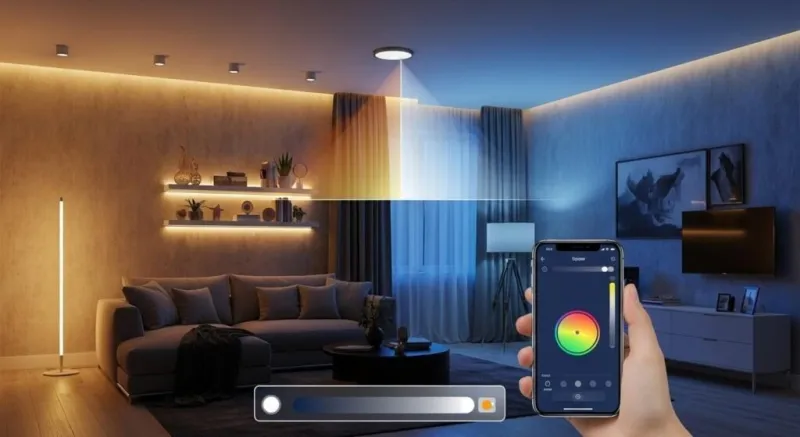
Smart lighting: small dollars, easy wins. LED bulbs already slashed lighting costs versus incandescents; automations that ensure lights are actually off added maybe $2–3/month in our test. Worth doing, not worth buying a system for.
Demand response enrollment: the sleeper win. Our test home's utility offered a $50 annual credit for enrolling a smart thermostat in peak-event programs. That's the single biggest guaranteed return in this entire article, and most people never sign up.
The Starter Playbook
- Measure before you buy. A $20 energy-monitoring smart plug will tell you where your actual waste is. Skip the guesswork.
- Hunt the standby loads. Entertainment centers, office gear, and anything with a clock or a light are the usual culprits. Group them on one switched plug.
- Schedule the dumb-but-hungry stuff. Water heaters (if electric), pool pumps, and space heaters on time-of-use rates are where scheduling shines.
- Actually configure your thermostat. Set schedules, enable occupancy sensing, and use eco modes when nobody's home. An unconfigured smart thermostat is an expensive dumb one.
- Check your utility's programs. Search "[your utility] + demand response" or "thermostat rewards." Five minutes of paperwork, real bill credits.
The Bottom Line
Across our test month, the realistic total for a well-configured setup was $25–40 per month, or roughly $300–480 a year — dominated by the thermostat and the demand response credit, with plugs handling the cleanup. That's a far cry from "slashing your bill in half," but it's also real, recurring, and mostly set-and-forget.
Smart home energy savings aren't magic. They're measurement plus habits plus a little automation — and now you know which words on the box to believe.