The Jargon Markup: We Priced Identical Smart Plugs and Found a 40% 'Buzzword Fee'
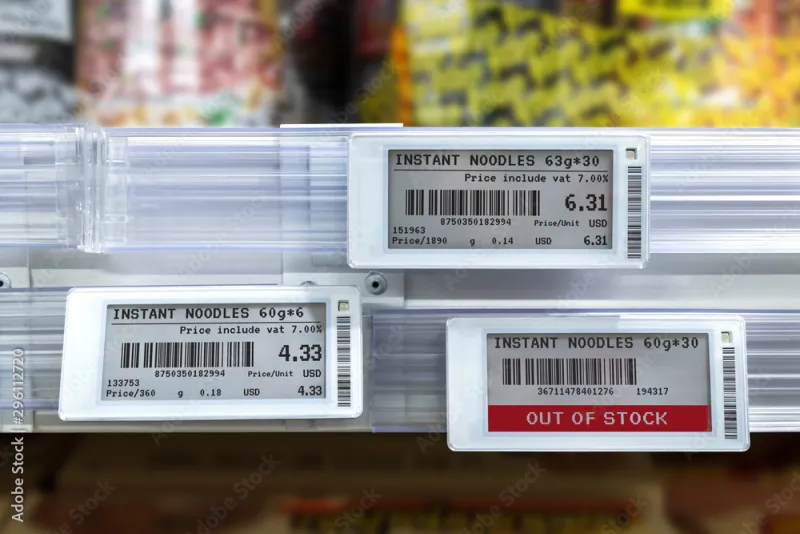
Photo: smart plug product packaging on store shelf price comparison, via as2.ftcdn.net
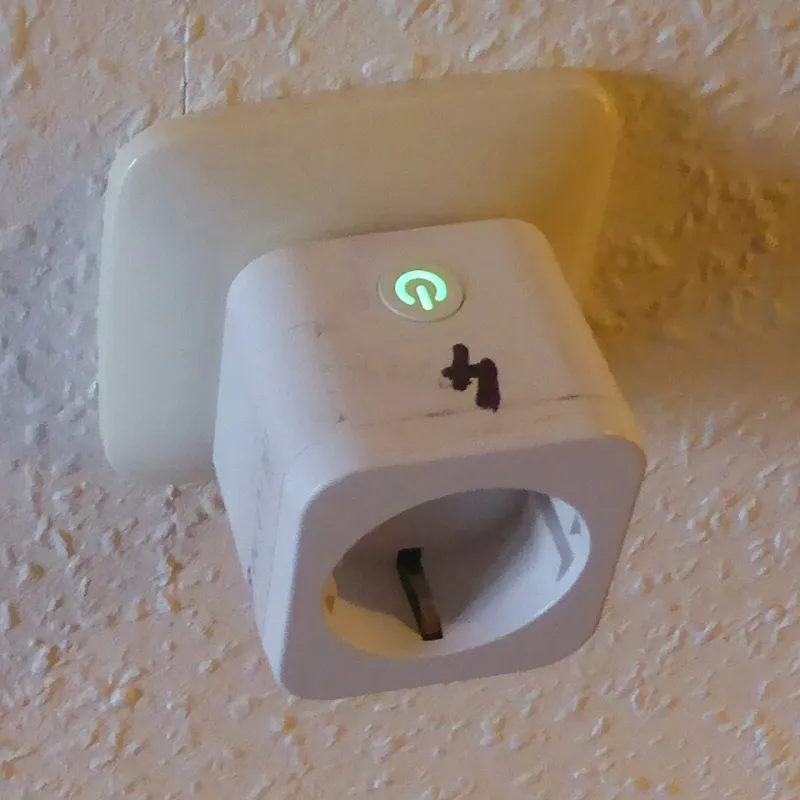
Here's a fun experiment the next time you're bored at a big-box store: find the smart plug aisle and read two boxes side by side. One will say something like "Wi-Fi Enabled Mesh Ecosystem Plug with Voice Integration." The other says "connects to your router, works with Alexa." Same hardware. Sometimes literally the same factory. One of them costs about twice as much.
We've started calling this the buzzword fee — the price bump you pay when a product page is written to impress instead of inform. And once you see it, you can't unsee it.
The Experiment: Same Plug, Different Vocabulary
We pulled listings from Amazon, Home Depot, Best Buy, and Walmart for basic 15A Wi-Fi smart plugs and compared the specs buried under the marketing copy. The pattern showed up over and over:
- "Connects to your existing Wi-Fi" — the honest version. Typical price: $10–$14.
- "Wi-Fi enabled mesh ecosystem device" — the fancy version of the exact same thing. Typical price: $20–$28.
- "No hub required" — usually a good sign. But its evil twin, "hub-free cloud architecture," showed up on plugs priced 30–50% higher with no measurable difference in the spec sheet.
One listing we found described a plug's 2.4GHz radio as "dual-protocol adaptive connectivity." It's a Wi-Fi chip. That's it. That listing was $22.99; a functionally identical Kasa unit down the page was $12.99.
A Mini-Dictionary for the Checkout Page
Before your next order, run the product description through this translator:
| Marketing says | It actually means |
|---|---|
| "Wi-Fi enabled mesh ecosystem" | Connects to your router like everything else |
| "Voice integration ready" | Works with Alexa and/or Google Home |
| "Cloud-based intelligence" | The app talks to a server before your switch responds |
| "Adaptive connectivity" | 2.4GHz Wi-Fi |
| "Smart scheduling suite" | A timer. It has a timer |
| "Energy monitoring analytics" | It measures watts, which is genuinely useful — but not a premium feature anymore |
| "Firmware over-the-air" | It gets updates. This should be table stakes |
That last one stings a little, because a couple of these terms do describe features worth paying for. Energy monitoring is legitimately handy for hunting down phantom loads. The trick is knowing which words signal a real feature and which ones are just a thesaurus having a good day.
Where the Confusion Premium Lives
The markup isn't random — it clusters exactly where a newcomer can't verify claims:
- Connectivity language. Nobody browsing a shelf knows what Thread or Matter means yet, so "next-gen wireless standard" becomes a blank check. (If you want the real story on those protocols, we've got a whole explainer — spoiler: your router alone isn't enough.)
- "Works with" lists. A plug that genuinely supports Alexa, Google, and SmartThings deserves a small premium. But vague phrasing like "compatible with major voice ecosystems" often means one of them, via a cloud integration that may or may not survive the year.
- Bundle psychology. "Starter kits" and "ecosystem bundles" frequently price four plugs at more than buying the same four individually. Check the per-unit math every time.
Three Questions That Deflate Any Product Page
When a listing is drowning in vocabulary, ask:
- What radio is inside? Wi-Fi, Zigbee, Z-Wave, or Thread. That's the whole answer, and it determines whether you need a hub.
- Does it work locally or through the cloud? Local control means faster response and continued function if the company's servers vanish. Few listings say this outright — check reviews or the manufacturer's support pages.
- What's the wattage rating and does it do energy monitoring? For plugs, this is 90% of the actual spec.
If a product page can't answer those three things in plain English, the missing information isn't an accident. It's the business model.
The Takeaway
Nobody's saying the pricier plugs are scams — some genuinely are better built, and we've reviewed plenty of both. But the words on the box are written by marketers, not engineers, and every untranslated term is an opportunity to charge you for something you already own. Your router, most likely.
Learn maybe a dozen plain-English terms and the entire smart home aisle reorganizes itself around you. The cheap plug and the expensive plug stop being a mystery and start being a choice. That's the whole mission here at Homolexis: the vocabulary is the product. Once you can read it, you stop paying extra for it.